
Natural Colon Cleanse: A Gentle Homemade Recipe for Digestive Health
The idea of a natural colon cleanse has become popular among people looking for simple ways to improve digestion, reduce bloating, and support regular bowel movements. Many traditional remedies use fruits, vegetables, herbs, and water to encourage a healthier digestive routine.
However, it is important to understand what the colon actually needs. The colon, also known as the large intestine, naturally processes waste and moves stool out of the body. For most healthy people, a special detox program or an aggressive colon-cleansing treatment is unnecessary. Instead of using harsh laxatives, extreme juice diets, or homemade intestinal flushes, a gentler approach is to support normal bowel function through fiber-rich foods, adequate hydration, and regular physical activity.
In this guide, you will discover a simple natural recipe, the ingredients it contains, its potential benefits, and how to incorporate it into your daily routine.
What Is a Natural Colon Cleanse?
A natural colon cleanse generally refers to dietary practices intended to support digestion and regular bowel movements. These practices may include eating more fiber, drinking enough fluids, consuming fruits and vegetables, and reducing excessive intake of highly processed foods.
Some commercial products promise to remove toxins, eliminate accumulated waste, or produce rapid weight loss. However, there is not enough scientific evidence to support these claims. Temporary weight changes after a cleanse may result from fluid loss or reduced food intake rather than a meaningful improvement in colon health.
A healthy digestive system does not normally require special cleansing. The most useful natural approach is to help the intestines perform their usual functions. For people who experience occasional constipation, increasing dietary fiber gradually, drinking adequate fluids, and remaining physically active may help make stools softer and easier to pass.
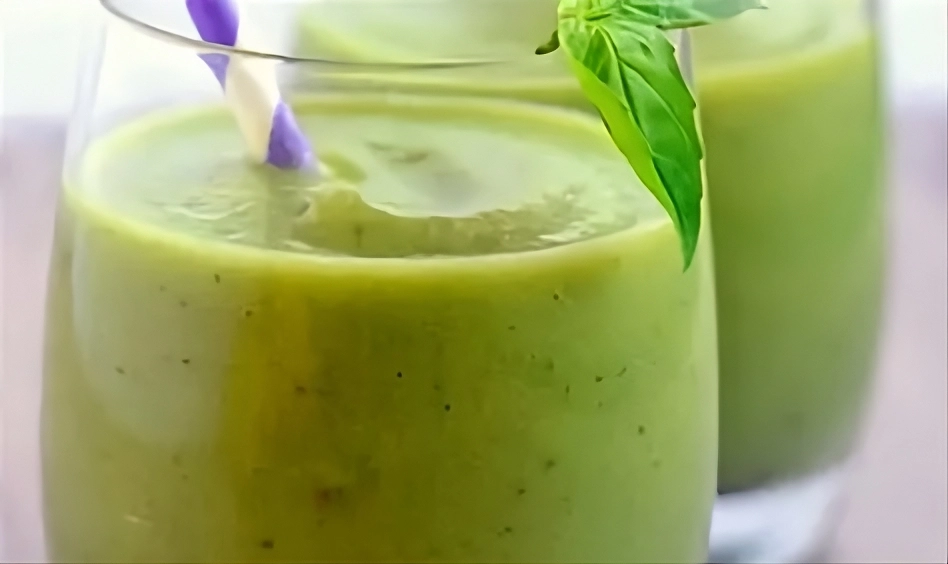
Natural Colon Cleanse Recipe: Kiwi, Pear, Oats, and Chia Smoothie
This homemade smoothie combines several foods that provide dietary fiber, along with water to help create a refreshing drink. It is not a medical detox or a treatment for intestinal disease. Rather, it is a convenient way to include more fiber-rich ingredients in your diet.
Ingredients
For one serving, you will need:
- 1 ripe kiwi
- 1 small ripe pear
- 2 tablespoons of rolled oats
- 1 teaspoon of chia seeds
- 200–250 ml of water
- A few drops of fresh lemon juice, if desired
Choose ripe, fresh fruit and wash it thoroughly before preparation. If you tolerate the pear skin well, leaving it on can provide additional fiber.
Preparation Method
Step 1: Prepare the fruit.
Peel the kiwi and cut it into small pieces. Wash the pear, remove the core and seeds, and cut it into chunks. You can leave the pear skin on if preferred.
Step 2: Combine the ingredients.
Place the kiwi, pear, rolled oats, chia seeds, and water in a blender.
Step 3: Blend until smooth.
Blend for approximately 30–60 seconds, or until the ingredients are evenly combined. Add a little more water if the mixture is too thick.
Step 4: Add lemon juice.
If you enjoy a slightly tangy flavor, add a few drops of fresh lemon juice and blend briefly again.
Step 5: Serve immediately.
Pour the smoothie into a glass and drink it fresh. There is no need to strain it because retaining the pulp helps preserve the fiber.
Nutritional Contents of the Recipe
The exact nutritional values depend on the size and ripeness of the fruit and the quantities used. However, the ingredients provide several useful nutrients.
Kiwi: Kiwi provides vitamin C, water, and dietary fiber. Some research has examined kiwi consumption in relation to bowel regularity, although individual responses can vary.
Pear: Pears provide fiber, including fiber found in the skin. Their natural water content also contributes to the overall fluid intake of the recipe.
Rolled oats: Oats contain soluble fiber, including beta-glucan. Fiber helps support normal digestive function and contributes to a balanced diet.
Chia seeds: Chia seeds contain fiber that absorbs water and forms a gel-like texture. Because they increase the fiber content of a meal, it is best to begin with a small quantity if you are not accustomed to eating them.
Water: Water helps maintain hydration and supports the normal movement of stool through the digestive tract. Adequate fluid intake is particularly important when increasing dietary fiber.
Lemon juice: Lemon juice adds flavor and some vitamin C. It should not be considered a colon-cleansing agent or a substance that removes toxins from the body.
Potential Benefits of This Natural Remedy
The benefits of this recipe come primarily from its ingredients and their contribution to an overall balanced diet. It should not be expected to produce an immediate intestinal flush.
1. Supports Regular Bowel Movements
Dietary fiber helps add bulk to stool and can make bowel movements easier. Pears, kiwi, oats, and chia seeds all contribute fiber to this recipe. Eating fiber regularly, rather than relying on a single drink, is the more useful strategy for supporting bowel regularity.
2. May Help With Occasional Constipation
Some people find that increasing their intake of fiber-rich foods helps relieve occasional constipation. Kiwi and pears can be practical additions to a varied diet. However, this smoothie is not a guaranteed remedy. Constipation can have several causes, including medication use, changes in routine, inadequate fluid intake, and underlying health conditions.
If constipation persists despite dietary changes, seek advice from a healthcare professional.
3. Contributes to a Healthy Gut Environment
Dietary fiber is important for normal digestive function. Certain types of fiber can also be used by beneficial bacteria in the large intestine. A varied diet containing fruits, vegetables, legumes, whole grains, nuts, and seeds generally provides a broader range of fibers than relying on one particular recipe.
4. Helps Increase Daily Fiber Intake
Many people do not consume enough fiber. Adding a fruit-and-oat smoothie to a balanced eating routine can be one practical way to increase fiber intake.
Adults generally need around 22–34 grams of fiber per day, although individual requirements vary. It is best to increase fiber gradually because a sudden increase may cause gas, abdominal discomfort, or bloating.
5. Provides Nutrients and Hydration
The fruit provides vitamins and water, while oats and chia seeds contribute fiber and other nutrients. The water used in the smoothie also contributes to daily fluid intake.
These qualities can make the drink a useful addition to a healthy breakfast or snack. They do not mean that it detoxifies the body or cleans the colon of harmful substances.
6. Can Be Part of a More Balanced Eating Routine
Preparing a simple smoothie at home may encourage people to choose whole foods more often. Nevertheless, a smoothie should complement meals rather than replace a varied diet for extended periods. Whole fruit, vegetables, legumes, and whole grains should remain important parts of everyday eating.
How to Use the Natural Colon Cleanse Recipe
For most healthy adults who tolerate the ingredients, this smoothie can be enjoyed as part of an ordinary eating routine.
Recommended method of use:
- Begin with one small serving to see how your digestive system responds.
- Drink it with breakfast or as a snack rather than using it as a meal replacement for an extended period.
- Continue eating balanced meals that include vegetables, fruit, whole grains, and other sources of fiber.
- Drink water regularly throughout the day, adjusting your intake to your needs, activity level, and medical advice.
- Increase fiber gradually instead of suddenly adding large quantities of oats, seeds, and fruit.
- Pay attention to your symptoms. If the smoothie increases bloating, cramps, or diarrhea, reduce the portion or stop using it.
There is no medically established schedule for a natural colon cleanse, and it is not necessary to follow a special three-day, five-day, or seven-day detox program. The aim is to develop sustainable habits that support normal digestion, not to force the bowel to empty repeatedly.
Other Natural Ways to Support Colon Health
A smoothie can be useful, but long-term digestive health depends on the overall pattern of your diet and lifestyle.
Eat More Fiber-Rich Foods
Include a variety of foods such as:
- Apples, pears, berries, and kiwi
- Broccoli, carrots, peas, and leafy vegetables
- Oats, whole-grain bread, and whole-grain cereals
- Lentils, chickpeas, and beans
- Nuts and seeds in appropriate portions
Increase these foods gradually, particularly if your current diet contains little fiber.
Drink Enough Fluids
Water helps prevent dehydration and supports the effects of dietary fiber. Your individual needs depend on your activity level, climate, health, and other factors.
People with medical conditions that require fluid restriction should follow their healthcare professional’s recommendations rather than deliberately increasing their intake.
Stay Physically Active
Regular movement, such as walking, cycling, or other suitable physical activity, may help support normal bowel function. You do not need an intense exercise program to begin. Consistency is more important than choosing a complicated routine.
Establish a Regular Bathroom Routine
Allow yourself enough time to use the bathroom when you feel the urge. Ignoring that urge repeatedly may make bowel habits more difficult to manage. Some people find it helpful to establish a relaxed routine after breakfast, when eating can stimulate bowel activity.
Limit Excessive Reliance on Highly Processed Foods
Foods that contain very little fiber can displace more nutritious choices when eaten frequently. Try to build meals around a variety of minimally processed foods while allowing room for personal preferences. These habits are generally more sustainable than restrictive cleanses.
What About Herbal Teas, Laxatives, and Colon Flushes?
Many products marketed for colon cleansing contain stimulant laxatives, concentrated herbs, or mixtures intended to produce frequent bowel movements. Although these products may cause the bowel to empty, that does not prove that they remove toxins or improve long-term digestive health. Excessive laxative use can cause diarrhea, dehydration, and disturbances in the body’s electrolyte balance.
Colon irrigation, enemas, and homemade flushes also carry risks, including abdominal pain, infection, and, in some cases, serious injury. Coffee enemas and inserting homemade herbal mixtures into the rectum should be avoided. Laxatives do have legitimate medical uses, including the treatment of some cases of constipation and preparation for certain procedures. However, the appropriate product and dose depend on the individual situation. Follow professional advice rather than using a laxative detox protocol.
Important Precautions
Although the smoothie uses ordinary foods, it may not suit everyone.
- Sensitive digestion: Chia seeds, oats, and fruit may increase gas or bloating, especially when fiber intake rises too quickly.
- Food allergies or intolerances: Avoid any ingredient that causes a reaction or is unsuitable for your dietary needs.
- Persistent constipation: Consult a healthcare professional if symptoms continue, recur frequently, or do not improve with reasonable self-care.
- Digestive or kidney conditions: People with intestinal narrowing, swallowing difficulties, significant digestive disease, or specific dietary restrictions should seek individualized advice before substantially increasing fiber.
- Medication use: If you take medication or have a chronic health condition, ask a pharmacist or healthcare professional before using concentrated cleansing supplements or laxatives.
Seek prompt medical attention for severe or persistent abdominal pain, vomiting, a swollen abdomen with inability to pass stool or gas, or blood in the stool. Unexplained weight loss or a lasting change in bowel habits also warrants medical assessment. Do not use a homemade colon cleanse instead of medical evaluation or a prescribed bowel preparation.
Frequently Asked Questions
Does a natural colon cleanse remove toxins?
There is no convincing scientific evidence that routine colon-cleansing programs remove toxins or improve general health. The digestive system naturally moves waste out of the body, while the liver and kidneys perform important roles in processing and eliminating substances.
How long does it take for a natural remedy to work?
There is no predictable timeline. Changes in fiber intake may affect bowel habits over several days, but responses vary. This smoothie is a food-based option, not a fast-acting laxative, and it should not be expected to cause immediate bowel emptying.
Can I drink this smoothie every day?
A healthy adult who tolerates the ingredients may choose to include it regularly as part of a varied diet. Start with a modest serving and adjust according to your tolerance. There is no need to drink it every day for a fixed cleansing period.
Is lemon water enough to cleanse the colon?
No. Lemon water can contribute to fluid intake and add flavor, but there is no good evidence that it flushes toxins from the colon. Adequate hydration and a fiber-rich diet are more useful ways to support normal bowel function.
Is a colon cleanse necessary before starting a healthy diet?
No. A healthy eating routine does not require a preliminary cleanse. You can begin by gradually adding fiber-rich foods, drinking appropriate amounts of fluid, and establishing sustainable habits.
Final Thoughts
Natural colon cleansing is often promoted as a way to eliminate toxins, reduce bloating, and restore digestive health. However, the colon normally removes waste without the need for special detoxification programs. A homemade smoothie made with kiwi, pear, oats, chia seeds, and water offers a gentle way to include fiber-rich foods in your daily routine. Its potential value lies in supporting normal bowel function as part of a balanced diet, not in flushing or detoxifying the colon.
For lasting digestive health, focus on adequate fiber, hydration, physical activity, and regular eating habits. Avoid aggressive cleanses and seek professional advice if constipation or other digestive symptoms persist.
Disclaimer: This article is for general educational purposes only and is not a substitute for professional medical advice, diagnosis, or treatment.