
Rose Water for Face: Amazing Benefits and How to Use It
Rose Water for Face is a popular natural skin care choice for people looking to refresh their skin and create a simple daily beauty routine. Known for its delicate floral scent and lightweight feel, rose water has been used in traditional beauty practices for generations.
From refreshing facial mists to gentle skin care routines, rose water is an easy-to-use cosmetic ingredient. In this guide, discover its potential benefits, how to apply it correctly, what to look for on the ingredient label, and the precautions to know before adding it to your skin care routine.
Rose water has been used in traditional beauty routines for generations. Known for its delicate floral scent and refreshing feel, this botanical ingredient remains a popular choice for people who enjoy simple, gentle skin care. Today, rose water can be found in facial toners, refreshing mists, cleansers, and other cosmetic products. Some people use it after washing their face, while others apply it before moisturizer as an additional step in their daily routine.
But what can rose water really do for your skin? Can it help with dryness, redness, or oily skin? And how can you choose a good-quality product without exposing your face to unnecessary fragrances or irritating ingredients? In this guide, we explore the potential benefits of rose water for the face, how to use it correctly, what to look for on the ingredient label, and the precautions worth knowing before adding it to your skin care routine.
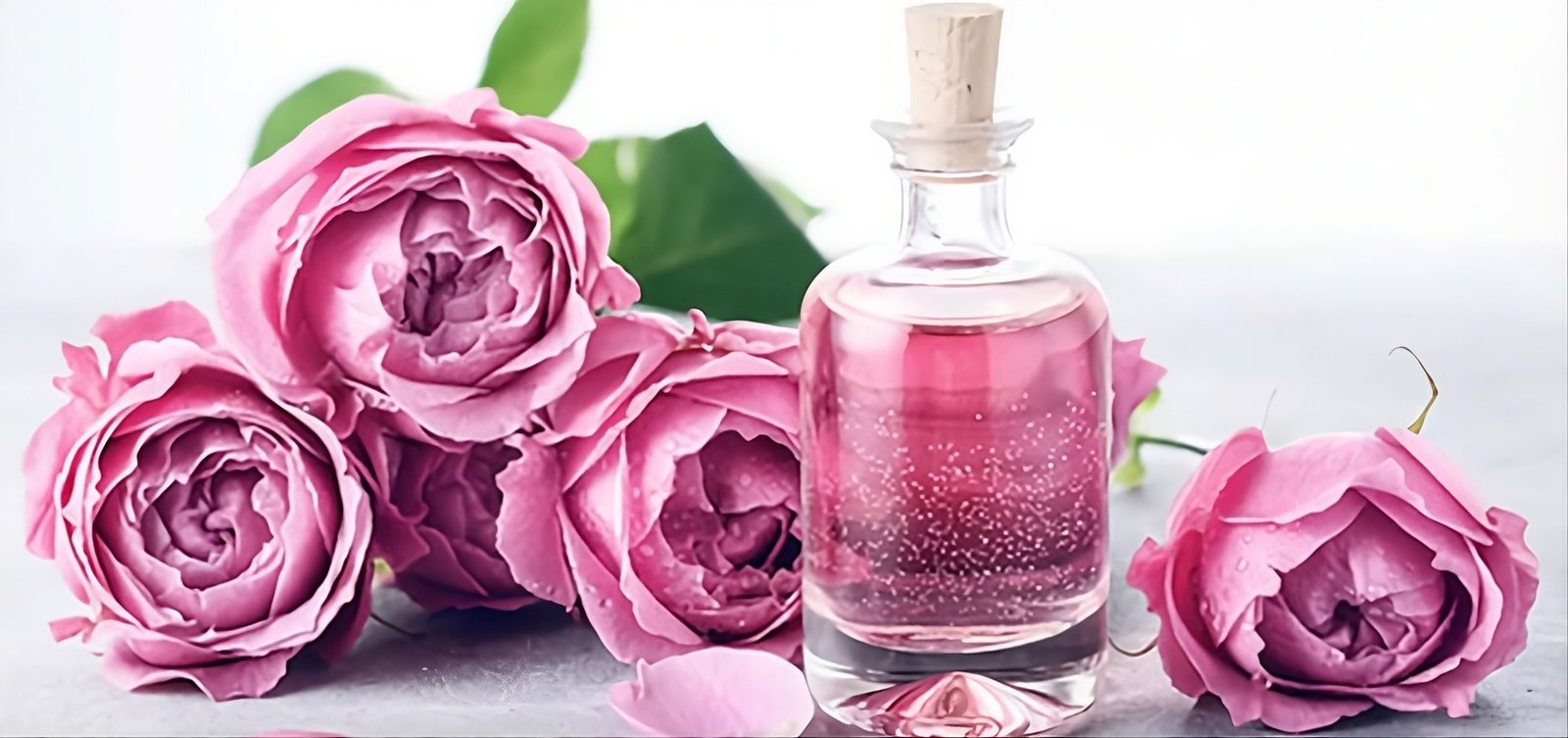
What Is Rose Water?
Rose water is a fragrant, water-based liquid commonly produced during the steam distillation of rose petals. It can also be made through other processes that extract or infuse rose-derived ingredients into water. Depending on the manufacturing method, a product may contain rose distillate, rose extract, water, fragrance, preservatives, or other cosmetic ingredients.
Rose water has a long history in traditional beauty practices. It is often used as a facial refresher because it feels light on the skin and leaves behind a pleasant floral aroma. However, not all rose water products are the same. Some contain primarily rose distillate, while others are formulated as cosmetic toners with additional ingredients. The formula matters because it determines how the product feels, how it should be stored, and how likely it is to suit your skin.
It is also important to understand that rose water is a cosmetic product, not a medical treatment. Although some rose-derived compounds have been investigated for antioxidant and anti-inflammatory properties, there is limited clinical evidence showing that rose water itself can treat specific skin conditions.
Potential Benefits of Rose Water for the Face
Rose water may be a pleasant addition to a basic skin care routine. Its effects depend on the formulation, the condition of your skin, and your individual tolerance.
Refreshes the Skin
One of the most common reasons people use rose water is its refreshing sensation. Applied as a light facial mist, a suitable rose water product can leave the skin feeling fresh, especially after cleansing or when your face feels slightly dry from indoor heating or air conditioning. The water in the formula provides temporary surface moisture, although this effect should not be confused with the longer-lasting hydration provided by a well-formulated moisturizer.
For a simple routine, rose water can be an optional step between cleansing and moisturizing.
May Help Relieve the Feeling of Tightness
After washing the face, some people experience a tight or uncomfortable sensation. This can happen when the skin is dry or when a cleanser removes too much of its natural surface oil. A gentle, well-tolerated rose water product may temporarily improve comfort by adding moisture to the skin’s surface. However, rose water alone is not a replacement for a moisturizer. If your skin feels persistently dry, a fragrance-free cream containing ingredients such as glycerin or ceramides may be a more useful choice. Applying moisturizer after cleansing helps support the skin barrier and reduces moisture loss.
Provides a Pleasant Step for a Simple Skin Care Routine
A good skin care routine does not need to contain many products. For some people, rose water makes the routine feel more enjoyable because of its light texture and delicate fragrance. It can be applied after cleansing and before a moisturizer, provided the product does not cause irritation. Nevertheless, rose water is optional. A cleanser, moisturizer, and daily sun protection are generally more important than adding a toner or facial mist.. May Offer Antioxidant-Related Properties
Rose petals contain various naturally occurring compounds, including polyphenols and other plant substances that have been studied for their biological properties. Some laboratory research has investigated the antioxidant activity of rose-derived ingredients. However, results obtained in laboratory settings do not automatically demonstrate that a particular rose water product provides meaningful benefits when applied to human skin.
For this reason, rose water should not be promoted as a proven anti-aging treatment or as a way to reverse sun damage. If your goal is to protect your skin from premature aging, daily broad-spectrum sunscreen, gentle cleansing, and appropriate moisturization are more established skin care measures.
Can Be Used as a Lightweight Facial Mist
Some people prefer a facial mist because it feels lighter than a cream or lotion. If you enjoy this type of product, rose water can be sprayed lightly onto clean skin, provided the formula is suitable for facial use and does not contain ingredients that irritate you. A facial mist is not essential, however, and applying more product does not necessarily improve skin health. If you have very sensitive skin, eczema, rosacea, or a history of fragrance allergy, a fragrance-free routine may be a better option.
May Complement a Balanced Skin Care Routine
Rose water can be part of a broader routine that includes gentle cleansing, moisturization, and protection from ultraviolet radiation. It should not be expected to eliminate acne, permanently shrink pores, erase wrinkles, or cure eczema. These concerns may require different approaches depending on their underlying causes. The best skin care routine is one that meets your needs without causing unnecessary irritation.
Which Skin Types Can Use Rose Water?
The suitability of rose water depends more on its formulation and your skin’s sensitivity than on the name printed on the bottle.
Normal skin: A simple rose water product may be a pleasant optional addition if you enjoy its refreshing feel.
Dry skin: Rose water may provide temporary surface moisture, but it should be followed by a suitable moisturizer. Avoid formulas that contain drying or irritating ingredients.
Oily skin: A lightweight, water-based product may feel comfortable. However, rose water has not been established as a reliable treatment for excess oil production or acne.
Combination skin: You may enjoy using rose water on areas that feel comfortable with it, but there is no need to apply it if it causes tightness or irritation.
Sensitive skin: Be especially careful with fragranced products. Rose-derived ingredients and added fragrance can trigger reactions in some individuals. A simple fragrance-free product may be a better choice.
If you have rosacea, active eczema, a facial rash, or recently irritated skin, consider avoiding fragranced facial products until the skin has settled or a healthcare professional has advised you on suitable products.
How to Use Rose Water on Your Face
Rose water is easy to incorporate into a daily routine, but it is best to introduce it gradually rather than changing several products at once.
Step 1: Cleanse Your Face Gently
Begin with a mild facial cleanser suited to your skin type. Use lukewarm water rather than very hot water, and avoid vigorous scrubbing. Pat your face dry with a clean, soft towel. A gentle cleansing routine helps remove dirt, sweat, and excess oil without unnecessarily irritating the skin.
Step 2: Apply the Rose Water
If your product is designed for leave-on facial use, apply a small amount according to the instructions on the label. You can dispense it into clean hands and gently press it onto the face, or use a clean cotton pad if you prefer. If using a spray bottle, close your eyes and follow the manufacturer’s directions. Avoid inhaling the mist or spraying it directly into your eyes. There is no need to soak the face or apply several layers.
Step 3: Allow It to Settle
Give the product a short moment to settle on the skin. If you notice stinging, burning, itching, or increasing redness, rinse it off gently and discontinue use. A product does not need to tingle to be effective.
Step 4: Apply Moisturizer
Follow with a moisturizer appropriate for your skin. For dry or sensitive skin, a fragrance-free cream containing moisturizing ingredients may be particularly useful. If your skin is oily, you may prefer a lighter, non-comedogenic formula. Moisturizer is an important part of the routine because rose water alone does not provide the same barrier-supporting benefits as a well-formulated moisturizing product.
Step 5: Use Sunscreen in the Morning
If you use rose water during your morning routine, finish with broad-spectrum sunscreen with an SPF of 30 or higher. Sun protection helps reduce the risk of sunburn, premature skin aging, and skin cancer. Rose water does not replace sunscreen and should not be relied upon to protect the face from ultraviolet radiation.
A Simple Daily Rose Water Skin Care Routine
Here is an easy way to organize your routine without adding unnecessary steps.
Morning routine
Wash your face with a gentle cleanser, if needed. Apply a suitable rose water product if you enjoy using it and your skin tolerates it. Apply moisturizer. Finish with broad-spectrum SPF 30 or higher sunscreen.
Evening routine
Remove makeup and sunscreen with an appropriate cleanser. Apply rose water if it remains comfortable for your skin. Use your regular moisturizer. You do not need to use rose water both morning and evening. Starting with occasional or once-daily use is reasonable if the product is well tolerated, but follow the label’s instructions and adjust according to your skin’s response. Consistency with the basic steps is more important than the number of products you use.
What to Look for on the Rose Water Label
Choosing the right product is an important part of using rose water safely. A beautiful bottle or a claim such as “100% natural” does not guarantee that a formula will suit your face.
1. Check the Intended Use
Choose a product specifically intended for cosmetic skin care and facial application. Do not assume that culinary rose water, fragrance products, and cosmetic rose water are interchangeable. Products intended for cooking or perfuming may not have the formulation, testing, or directions appropriate for leave-on facial use.
2. Look at the Ingredient List
The ingredient list can help you understand what you are applying to your skin. Depending on the product, you may see ingredients such as:
Rosa damascena flower water: Rose-derived water commonly associated with rose distillation.
Rosa damascena flower extract: An extract obtained from rose flowers.
Aqua or water: The water component of the formula.
Glycerin: A humectant that helps attract and retain water in the outer layers of the skin.
Preservatives: Ingredients used in many water-based cosmetics to help prevent microbial growth and maintain product safety.
Parfum or fragrance: Added fragrance that may cause irritation or allergic reactions in susceptible individuals.
The exact names depend on the formula. A product containing rose extract is not necessarily equivalent to one made primarily from rose distillate.
Be Careful With Added Fragrance
Fragrance can be a concern for people with sensitive skin or a known fragrance allergy. Rose water naturally has an aroma, but some cosmetic products contain additional fragrance ingredients. If your skin tends to sting or develop rashes after using scented products, consider choosing a fragrance-free alternative instead. Keep in mind that the terms “natural,” “botanical,” and “unscented” do not automatically mean that a product is free from ingredients that can trigger a reaction.
Consider Alcohol and Other Potential Irritants
Some facial toners contain alcohol or other ingredients that may be uncomfortable for dry or sensitive skin. Alcohol is not automatically unsuitable in every cosmetic formulation, but if your skin becomes tight, dry, or irritated easily, a simpler formula without drying alcohol may be worth considering. The complete ingredient list matters more than a single marketing claim on the front of the package.
Check the Expiration Date and Storage Instructions
Water-based cosmetics require appropriate preservation and handling. Check the expiration date, packaging, and storage directions. After opening, look for the period-after-opening symbol, commonly represented by an open jar with a number followed by the letter M. Avoid products that have changed in color, smell, or consistency, and do not use a product beyond its stated shelf life. Keep the container closed and avoid touching the opening with unwashed hands. Do not dilute a commercial product with water or mix homemade ingredients into the bottle, as this may compromise its preservation system.
Can You Make Rose Water at Home?
Homemade rose water is a traditional beauty preparation, but it is important to distinguish a homemade infusion from a properly manufactured cosmetic product. A simple infusion can be made using clean rose petals and water. However, homemade preparations do not have the same quality control or preservation system as many commercial products, and contamination can occur even when the ingredients look clean. If you choose to prepare a small batch, use only petals that have been positively identified as roses and have not been treated with pesticides or other chemicals unsuitable for skin contact.
Simple Rose Petal Infusion
Ingredients
A small handful of clean, untreated rose petals
Approximately 250 ml of distilled water
Preparation
Rinse the petals gently to remove visible dirt. Heat the distilled water until it is hot but not vigorously boiling. Add the petals and cover the container. Allow the mixture to steep for approximately 15–20 minutes. Let it cool, then strain it using clean equipment. Transfer the liquid to a clean container. This preparation is an infusion, not necessarily equivalent to commercially distilled rose water.
Important safety note: Homemade rose infusions contain water and no validated preservative system. Refrigeration does not guarantee that they are free from harmful microorganisms. For a leave-on facial product, a properly manufactured cosmetic with suitable preservation is the safer choice. If you experiment with a homemade infusion, prepare only a very small amount, keep it refrigerated, discard it within 24 hours, and never use it if its appearance or smell changes. Do not apply it to broken, irritated, or infected skin.
Avoid adding essential oils directly to the water. Essential oils do not disperse evenly in plain water and may cause irritation when applied undiluted or in improperly formulated mixtures.
How Often Should You Use Rose Water?
There is no scientifically established frequency that is best for everyone. If you choose a suitable cosmetic product and your skin tolerates it, you may use it according to the manufacturer’s instructions. Starting with once-daily application or occasional use can help you assess whether it fits comfortably into your routine. Using it more often is not necessarily more beneficial. If your skin becomes dry, itchy, tight, or red, reduce use or stop altogether. When introducing a new product, avoid adding several new skin care ingredients at the same time. This makes it easier to identify the cause if irritation occurs.
Precautions Before Using Rose Water
Even gentle-looking skin care products can cause unwanted reactions. Botanical ingredients are not automatically risk-free.
Perform a Patch Test
Before using a new product on your face, the American Academy of Dermatology recommends testing it on a small area of skin. Apply the product to a test spot, such as the inside of your arm, twice daily for seven to ten days, following the product’s normal use instructions. If redness, itching, swelling, or other irritation develops, wash the product off and stop using it. A home test can help identify some reactions, but it cannot guarantee that you will never develop an allergy.
Avoid Contact With the Eyes
Rose water intended for facial skin care should not be used as an eye wash unless the product is specifically manufactured and labeled for that purpose. If it enters your eyes, rinse thoroughly with clean water. Seek medical advice if irritation persists.
Do Not Rely on It to Treat Skin Conditions
Rose water has not been established as a treatment for acne, rosacea, eczema, fungal infections, or other skin disorders. If you have persistent breakouts, severe redness, swelling, pain, or a rash that does not improve, seek advice from a qualified healthcare professional rather than relying on a cosmetic mist.
Stop If Your Skin Reacts
Discontinue use if you experience burning, persistent itching, worsening redness, swelling, or a rash. Wash the product off gently. Seek urgent medical help if a reaction causes difficulty breathing or swelling of the lips, tongue, or throat.
Common Questions About Rose Water for Face
Can rose water help with acne?
Rose water has not been proven to treat acne. It may be used as an optional cosmetic product if your skin tolerates it, but it should not replace established acne treatments.
Does rose water moisturize the skin?
It can provide temporary surface moisture, but it does not replace a moisturizer. If your skin is dry, follow it with a suitable cream or lotion.
Can rose water reduce redness?
Some people may find a particular product refreshing, but rose water is not a proven treatment for persistent redness. Fragrance and botanical ingredients may actually worsen irritation in sensitive skin.
Can rose water remove dark spots?
There is insufficient clinical evidence to conclude that rose water reliably fades dark spots or hyperpigmentation. Daily sunscreen and appropriate evidence-based treatments are more useful options for addressing uneven pigmentation.
Is rose water suitable for sensitive skin?
Not always. Some formulas may be tolerated, while others can trigger irritation or allergy. If your skin is sensitive, choose products carefully, consider fragrance-free alternatives, and patch-test before regular use.
Can I use rose water every day?
You may use a suitable product daily if your skin tolerates it and the label permits regular application. There is no requirement to use it every day, and more frequent application does not guarantee better results.
Should I use rose water before or after moisturizer?
If you choose to use it, applying it after cleansing and before moisturizer is a practical approach. However, it is an optional step rather than a necessary part of skin care. Rose water remains a popular ingredient in natural beauty routines because it is lightweight, fragrant, and easy to incorporate into daily skin care. For some people, a well-formulated product can provide a refreshing sensation and temporary surface moisture. However, scientific evidence supporting specific therapeutic benefits is limited, and rose water should not be considered a cure for acne, redness, wrinkles, or other skin conditions.
To use it sensibly, choose a product intended for facial application, read the ingredient list, pay attention to fragrance and preservatives, and test it before regular use. Follow with moisturizer when needed and remember to apply sunscreen during the day. Above all, keep your routine simple. Healthy skin care does not depend on using many products or following every natural beauty trend. Gentle cleansing, appropriate moisturization, sun protection, and products that your skin tolerates are the foundations of a practical routine.
Disclaimer: This article is for general educational purposes only and is not a substitute for professional medical advice, diagnosis, or treatment.