
Home Remedies for Allergic Rhinitis: Natural Treatments to Relieve Symptoms Effectively
Allergic rhinitis, commonly known as hay fever, is a widespread condition that affects millions of people worldwide. It occurs when the immune system overreacts to airborne allergens such as pollen, dust mites, mold, or pet dander. This reaction leads to symptoms like sneezing, nasal congestion, runny nose, itchy eyes, and throat irritation. While conventional medications can provide relief, many people are turning to natural solutions to manage symptoms safely and effectively. Home remedies for allergic rhinitis offer a gentle, accessible, and often highly effective approach to improving respiratory comfort and overall well-being.

One of the most powerful natural remedies is steam inhalation. Breathing in warm steam helps to open nasal passages, reduce congestion, and soothe irritated mucous membranes. Adding a few drops of eucalyptus or peppermint essential oil enhances the effect, as these oils have natural anti-inflammatory and decongestant properties. Regular steam inhalation, especially during allergy season, can significantly reduce nasal blockage and improve breathing.
Another highly beneficial remedy is saline nasal irrigation. Rinsing the nasal passages with a saltwater solution helps remove allergens, dust, and mucus buildup. This practice not only clears the airways but also reduces inflammation and prevents further irritation. It is a simple yet effective method that can be used daily to maintain nasal hygiene and minimize allergic reactions.
Raw honey is often considered a natural ally against allergic rhinitis. Consuming small amounts of local honey may help the body gradually build tolerance to local pollen. Additionally, honey has soothing properties that can calm throat irritation and reduce coughing. Its antimicrobial effects also contribute to overall immune support.
Herbal teas play a significant role in managing symptoms naturally. Chamomile tea, for example, contains compounds with anti-inflammatory and antihistamine effects that can help reduce allergic responses. Ginger tea is another excellent option, known for its ability to reduce inflammation and boost immunity. Drinking warm herbal teas regularly can provide both immediate comfort and long-term benefits.
Turmeric is a powerful natural anti-inflammatory and antioxidant. Incorporating turmeric into daily meals or consuming it as a warm drink with milk can help reduce the severity of allergic reactions. Its active compound, curcumin, supports the immune system and helps control histamine release, which is responsible for many allergy symptoms.
Maintaining a clean indoor environment is equally important. Regularly cleaning bedding, vacuuming carpets, and using air purifiers can reduce exposure to allergens. Keeping windows closed during high pollen seasons and showering after spending time outdoors can further minimize allergen contact.
Hydration is often overlooked but plays a crucial role in managing allergic rhinitis. Drinking plenty of water helps thin mucus, making it easier to clear from the nasal passages. Proper hydration also supports overall immune function and helps the body respond more effectively to allergens.
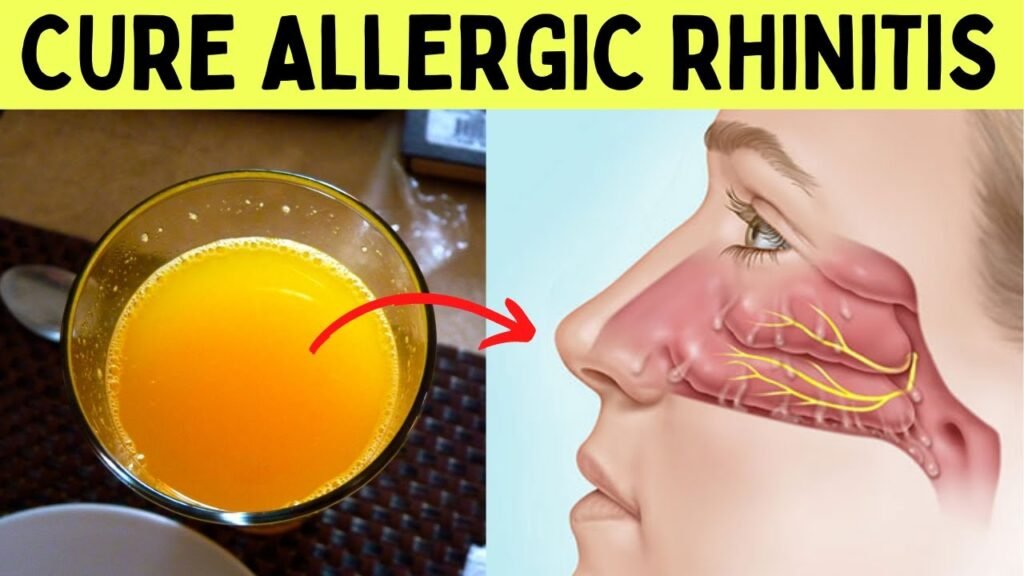
Here is a simple natural recipe that can be used to relieve symptoms of allergic rhinitis:
Mix one teaspoon of turmeric powder with a glass of warm milk and add a teaspoon of raw honey. Drink this mixture once daily, preferably in the evening. This remedy combines the anti-inflammatory properties of turmeric with the soothing effects of honey, helping to reduce nasal irritation and improve breathing over time.
Incorporating these home remedies into daily life can significantly improve the quality of life for those suffering from allergic rhinitis. While natural treatments may not completely eliminate allergies, they provide a safe and effective way to manage symptoms, reduce reliance on medications, and support overall health in a holistic manner.